
Blog Details
28
Aug
5 Eco-Friendly Pest Control Methods You Should Know
When uninvited pests invade our living spaces, our first instinct is often to reach for harsh chemical sprays. While traditional chemical insecticides might provide a quick fix, they frequently carry hidden costs: toxic residues, risks to family pets, and long-term damage to the local ecosystem. At Daun Pest Control And Hygiene Services, we believe that managing unwanted pests shouldn't come at the expense of your health or the environment. Modern green pest management relies on smart, sustainable approaches that tackle root causes rather than just masking symptoms.
1. Integrated Pest Management (IPM)
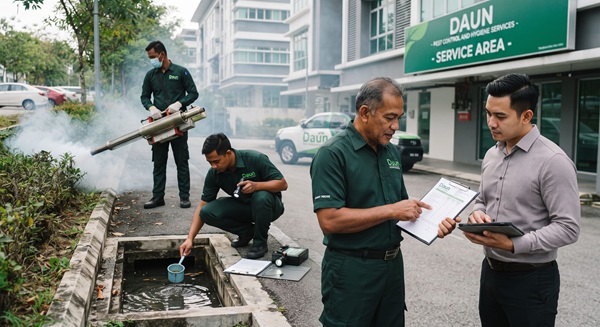
Integrated Pest Management (IPM) is the cornerstone of eco-friendly pest control. Rather than applying broad-spectrum chemical sprays on a set schedule, IPM focuses on prevention, detailed inspection, and targeted intervention.
- How it works: Professionals identify the specific pest species, locate their entry points, and modify conditions that attract them (such as moisture sources or food scraps).
- Why it's eco-friendly: Chemicals are used only as a last resort in strictly controlled amounts, dramatically reducing environmental exposure.
2. Physical Barriers and Exclusions
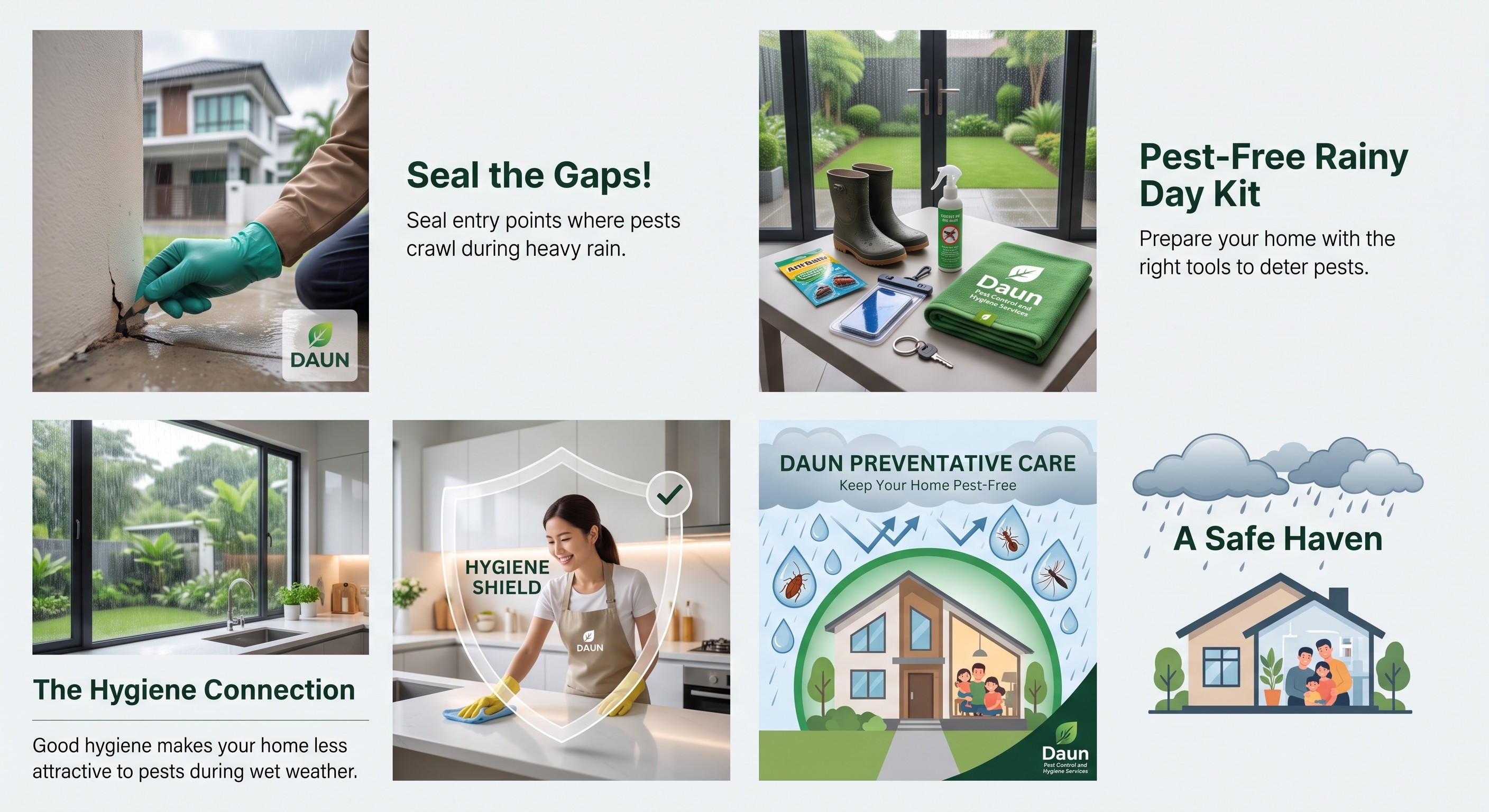
The most sustainable way to deal with pests is to prevent them from entering in the first place. Sealing structural gaps creates a long-lasting physical line of defense.
- Sealing cracks, gaps, and wall crevices with durable materials like silicone caulk or stainless steel mesh.
- Installing door sweeps and fine window mesh screens.
- Fixing leaking pipes and ensuring proper drainage around foundation walls to eliminate moisture traps.
3. Biological Control Agents
Nature already provides effective solutions to manage pest populations. Biological control leverages natural predators or beneficial microorganisms to keep harmful insects in check.
- How it works: Using beneficial organisms—such as nematodes to target subterranean lawn pests, or natural botanical repellents—helps curb infestations without synthetic chemicals.
- Why it works: It targets specific pests without disturbing non-target wildlife or beneficial garden insects like bees and butterflies.
4. Non-Toxic Organic Minerals & Natural Compounds
Natural compounds can disrupt pest behavior and physiology effectively without synthetic poisons.
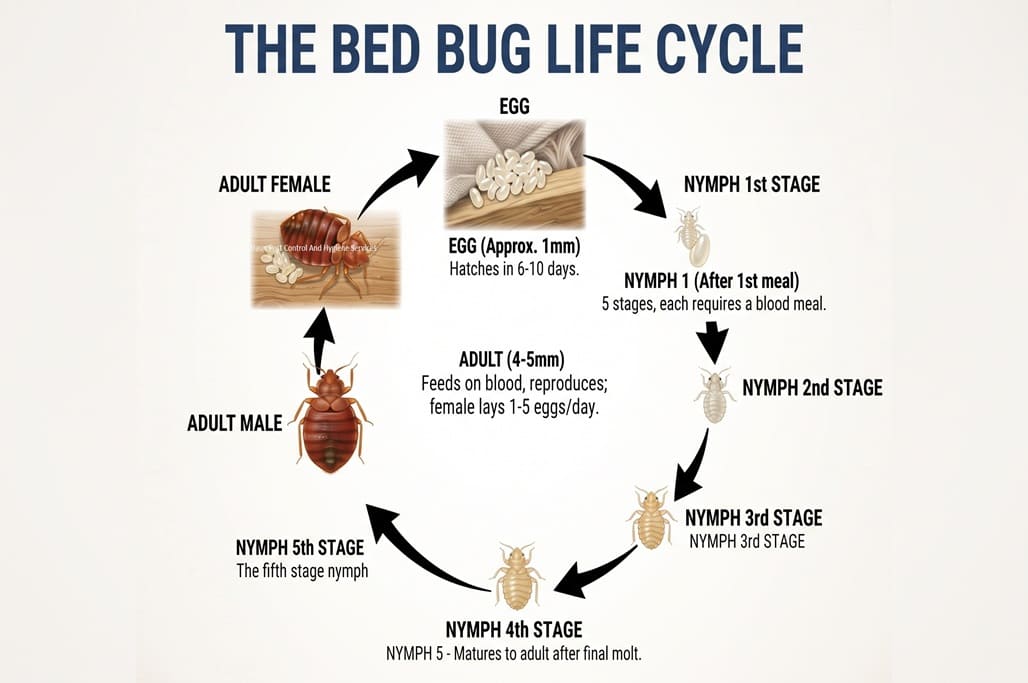
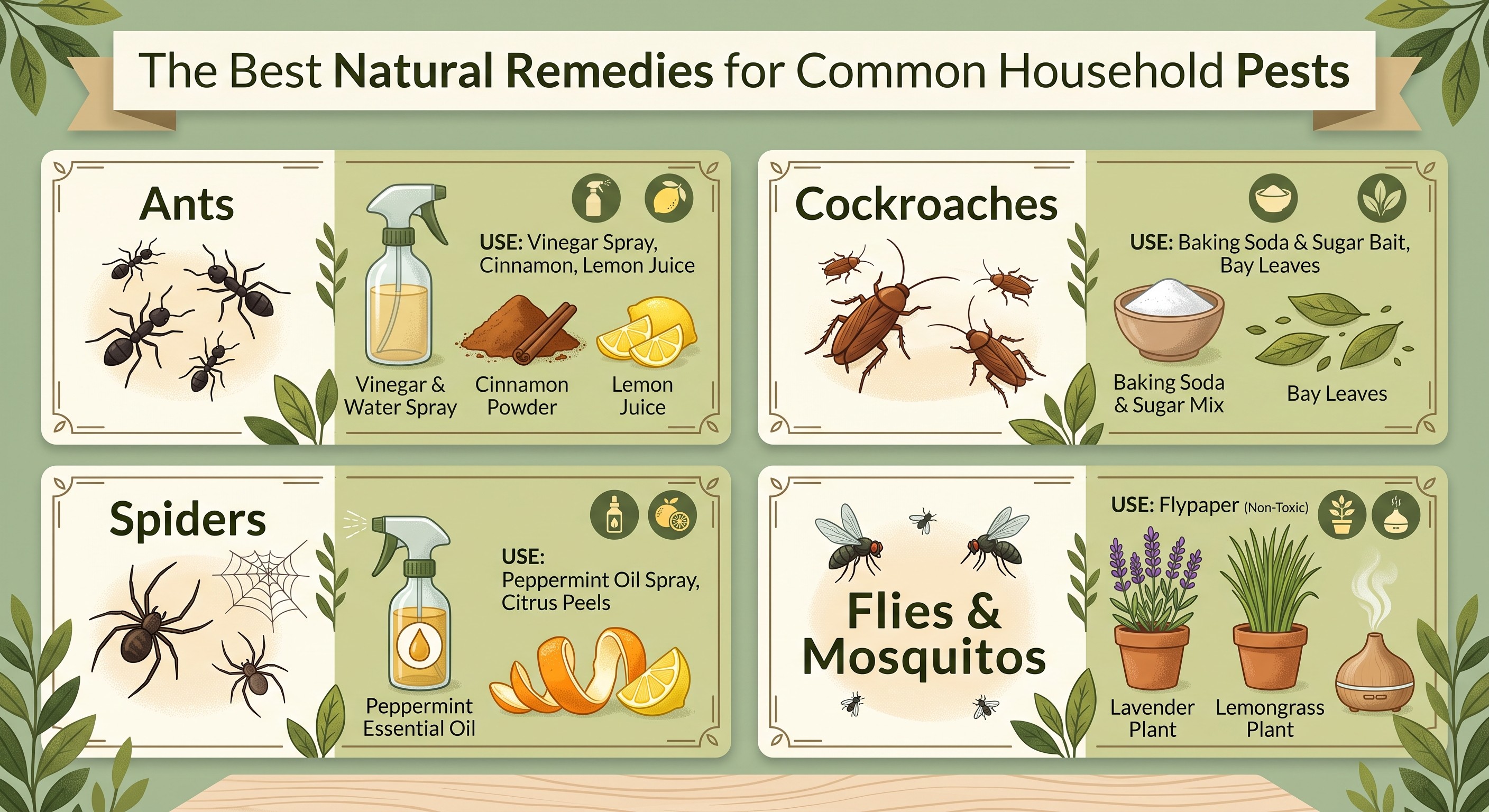
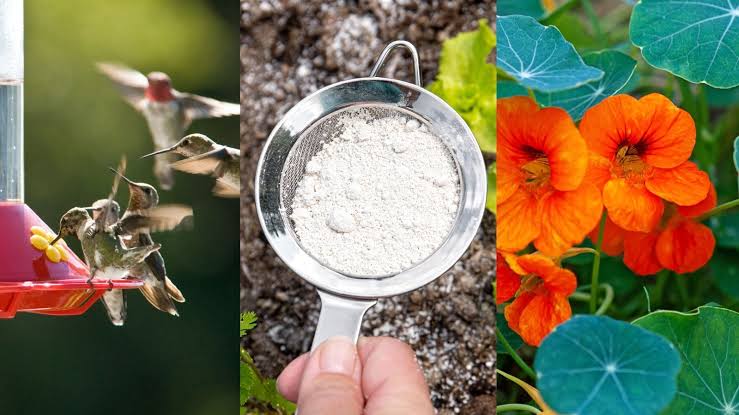
- Food-Grade Diatomaceous Earth (DE): A powder made from fossilized algae. When crawling insects like ants, cockroaches, or bed bugs walk over DE, it breaks down their outer protective shell, causing them to dehydrate naturally.
- Essential Oil Sprays: Concentrated botanical oils—such as peppermint, lemongrass, neem, and tea tree oil—act as powerful natural repellents against mosquitoes, ants, and spiders.
5. Proper Sanitation and Waste Management
No pest control strategy can succeed without eliminating what attracts pests in the first place: food, water, and shelter.
- Store dry foods in airtight glass or thick plastic containers.
- Keep indoor and outdoor waste bins tightly sealed and emptied daily.
- Clear away standing water in trays, drains, or gutters to stop mosquito breeding.
Protect Your Space the Sustainable Way
Adopting green pest control practices helps build a healthier home, a safer workplace, and a cleaner environment. Whether you are dealing with a current infestation or looking to establish long-term preventive measures, Daun Pest Control And Hygiene Services is here to deliver safe, reliable, and environmentally responsible pest management solutions tailored to your needs.
Request a Consultation